
Old Roofing Removed Before New Work Starts
Roof replacement in Daytona Beach for homes with aging shingles and decking that has gone soft underneath
Older shingle roofs across Daytona Beach and Holly Hill share a pattern that only becomes clear when the old roofing comes off: the decking beneath has absorbed moisture quietly over years and gone soft in sections that never showed up as a ceiling stain. Waynes Roofing And Sheet Metal replaces residential roofs throughout Volusia County with a full tear-off, meaning the old roofing is removed completely so the deck can be examined and any failed sections replaced before the new system goes on. Florida building code requires this step, but the practical reason is straightforward—a new roof laid over deteriorated decking has nothing solid to fasten to.
After the tear-off exposes the deck, the crew identifies soft, rotted, or delaminated panels and replaces them before underlayment and the new roofing are installed. The new system then goes on to the manufacturer's requirements, which governs fastener pattern, underlayment type, and overlap dimensions. Skipping the deck evaluation in favor of a faster install is a shortcut that produces nail pops, fastener backing out, and premature failure at exactly the points where the deck was soft and the fasteners had no bite.
Schedule a roof evaluation to get a clear read on how much of the deck is still sound and what the full replacement scope will require.
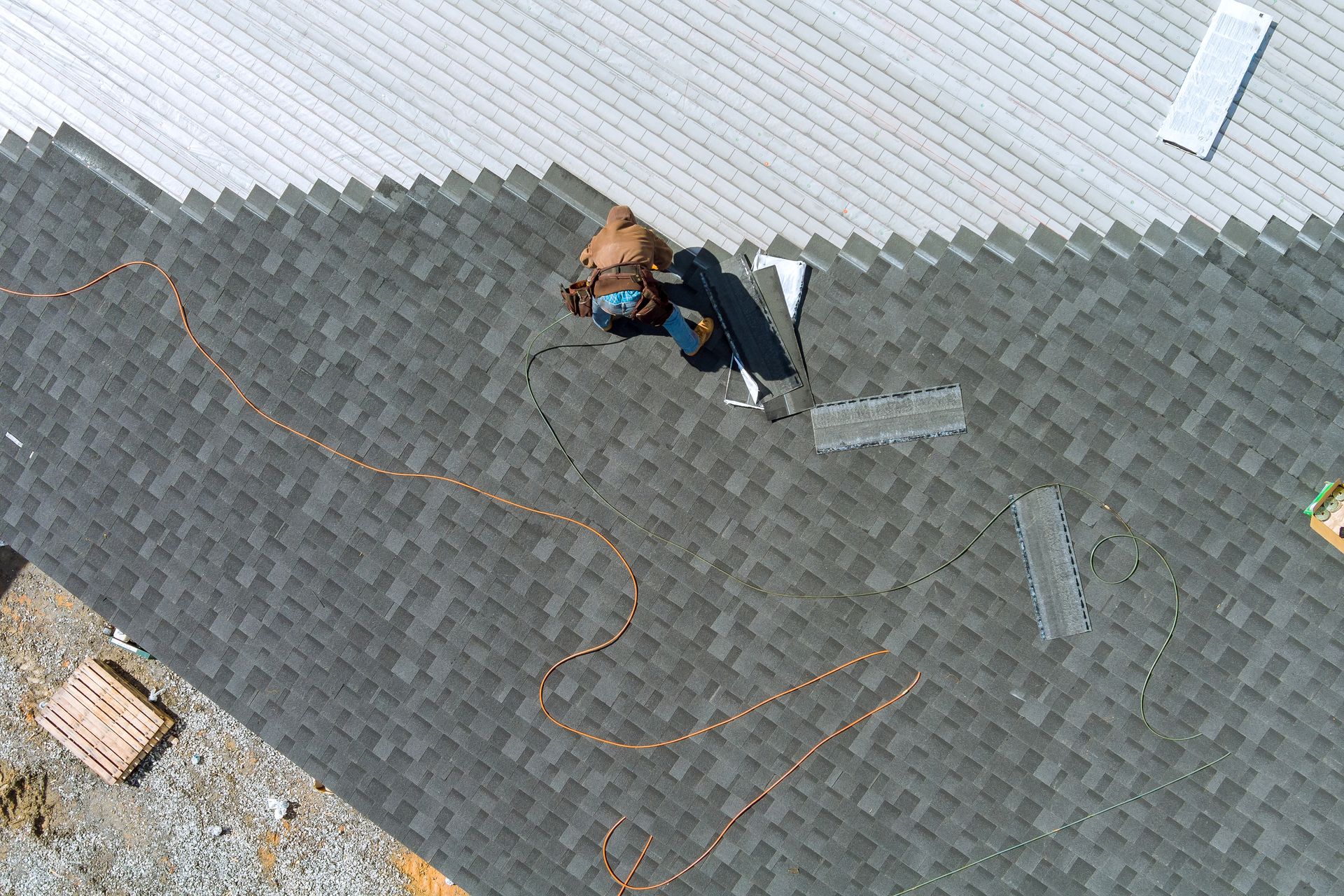
The Difference Between Layover and Full Replacement
A layover—installing new shingles directly over existing ones—is permitted in some circumstances but eliminates the ability to inspect or replace failing decking, adds weight the structure may not have been designed for, and typically voids manufacturer warranties on the new material. Waynes Roofing And Sheet Metal performs full tear-offs on residential replacements so the deck condition is known before a single piece of new material goes on. For homes in Port Orange built during the 1970s and 1980s, when OSB and older plywood grades were standard, deck deterioration in the areas around valleys and penetrations is a common finding once the tear-off is complete.
Once the replacement is finished, the difference is observable from inside and outside the structure. Attic spaces that previously showed daylight through failing areas or moisture on framing members no longer do. From the exterior, the new roof lies flat against the deck rather than showing the ripples and humps that accumulated soft decking creates beneath an aging shingle surface.
The replacement scope is driven by what the tear-off reveals. A home with minimal deck damage and a straightforward layout requires less material than one where a significant percentage of the panels need replacement, so the full picture does not exist until the old roof is off and the deck is visible. That sequencing is why the deck inspection happens before installation begins rather than being estimated from the ground.
What Property Owners Ask About the Work
Homeowners in Daytona Beach who have been managing an aging shingle roof through repeated repairs often have specific questions about how a full replacement differs from what they have already tried.
Why can't new shingles be installed directly over the existing ones?
A layover traps the existing deck beneath inaccessible layers, prevents any inspection or replacement of soft sections, and adds load that can stress the roof framing over time.
How is deteriorated decking identified during a tear-off?
The crew walks the exposed deck surface after tear-off looking for panels that flex underfoot, show dark discoloration from moisture absorption, or have delaminated layers, and those sections are marked for replacement before installation continues.
What happens to the removed roofing material?
Old shingles, underlayment, and damaged deck panels are removed from the site as part of the replacement process so the property is left clean when the job is complete.
How does the fastener pattern on a new shingle roof affect its longevity in a high-wind area?
Florida's wind exposure requirements specify fastener counts and placement zones that exceed standard manufacturer minimums, and installation to those specs is what determines whether shingles stay attached during a storm rather than lifting at the edges.
What should a homeowner look for in the finished roof to confirm it was installed correctly?
Shingles should lie flat with no visible buckling or lifted edges, ridge caps should be fully sealed at each end, and all penetrations including pipes and vents should have flashing installed rather than caulk applied over the shingle surface.
Waynes Roofing And Sheet Metal also replaces roofs in Ormond Beach, Holly Hill, Port Orange, DeLand, and Ponce Inlet. To talk through what a full tear-off and replacement involves for your property, call (386) 255-3633.