
Written Findings From Roof Surface to Interior
Roof inspections in Daytona Beach for condo associations, commercial owners, and homeowners who need a documented assessment of current roof condition
Waynes Roofing And Sheet Metal performs roof inspections in Daytona Beach for homeowners, condo associations, and commercial property owners throughout Volusia County who need a factual, written record of what is failing and what is still sound. Beachside condo associations in particular often require written inspection records for state reporting purposes, and older shingle roofs on single-family properties need an honest assessment of whether the remaining material can be repaired or has reached the point where replacement is the only durable option. That determination requires someone on the roof surface examining the actual condition of the material, not an estimate based on age alone.
Every inspection begins inside the building, looking for signs of water entry at ceilings, framing members, and insulation before moving to the roof surface. The exterior phase covers flashing, penetrations, field material, and—for flat roofs—the age and integrity of the membrane. Wind-vented systems are inspected and documented in a format that condo associations can submit for state reporting requirements. The written findings separate what is currently failing, what is marginal, and what remains in serviceable condition so the property owner has a clear picture rather than a general judgment call.
Arrange a roof inspection to receive written documentation of current conditions across the full roof surface and interior.
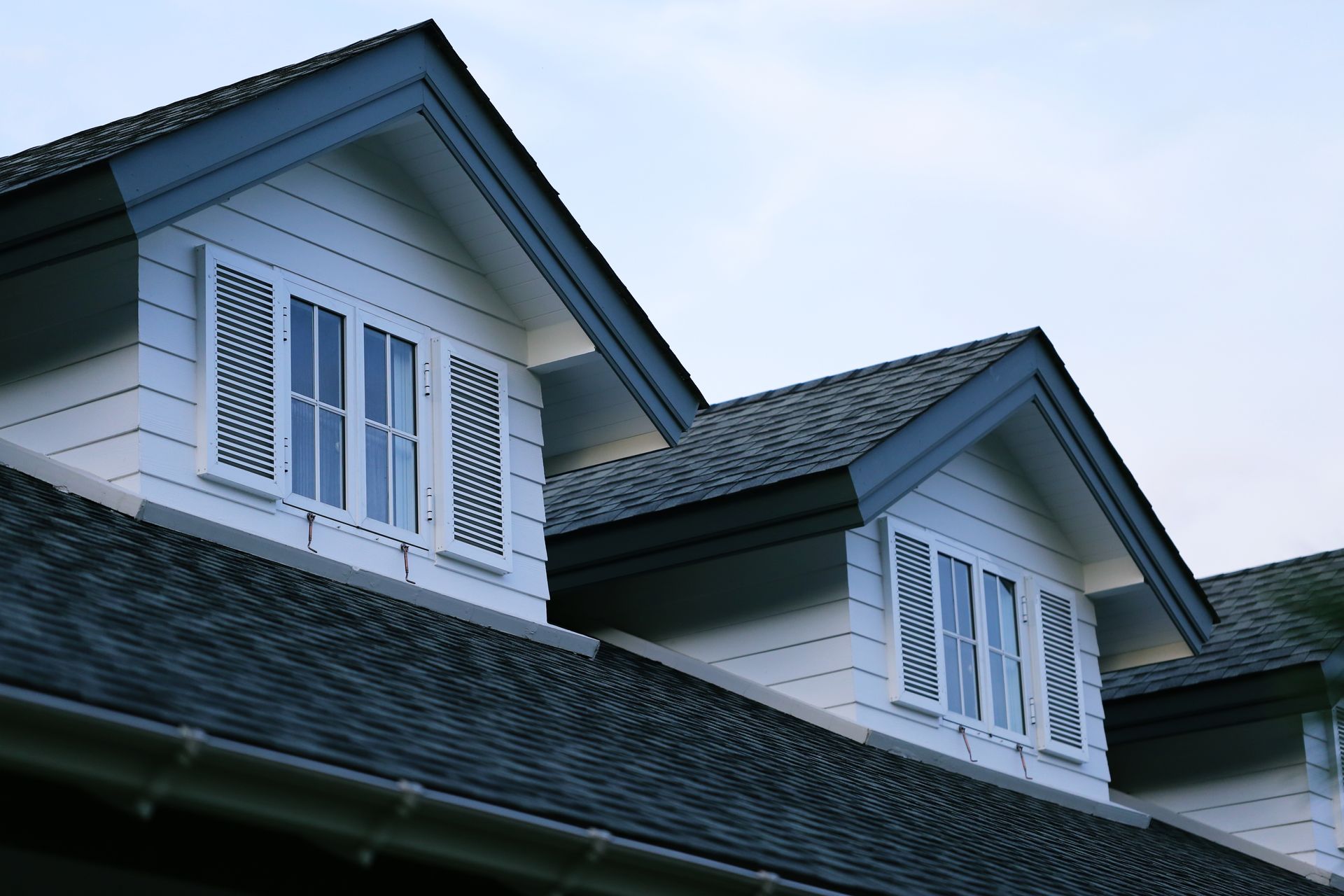
What a Roof Inspection Actually Accomplishes
A roof inspection that starts inside the building produces findings the exterior-only inspection misses. Water that has entered through a failed flashing joint at a penetration often travels along a rafter or deck board before it becomes visible on the ceiling below, so the interior evidence and the roof surface entry point are rarely in the same location. Beginning inside and then tracing outward to the roof surface is how Waynes Roofing And Sheet Metal connects interior signs of water entry to their actual source rather than simply noting that both exist.
After the inspection is complete, the property owner holds a written report that identifies specific failing components by location on the roof, distinguishes active failures from areas showing early wear, and—for wind-vented systems—documents the condition of the valve components and membrane seams in a format suited to association recordkeeping. That documentation changes the conversation from uncertainty about what is wrong to a prioritized list of what needs attention and what can be monitored.
For commercial buildings in Port Orange with rooftop mechanical equipment, the inspection includes the flashings around curbs, equipment bases, and conduit penetrations—areas that are commonly the first to fail on a flat membrane roof because they involve the most material transitions and see foot traffic during equipment servicing. Those penetration areas are a higher priority in the inspection sequence than the open field of the membrane, which typically shows wear more gradually and with more visible warning.
Answers About How the Work Is Done
Condo associations and property owners in Daytona Beach who commission roof inspections frequently have questions about what the process involves and what the written report will actually tell them.
Why does the inspection start inside the building rather than on the roof?
Interior evidence of water entry—staining on framing, moisture on insulation, or active dripping—provides directional information about where on the roof surface to look first, which makes the exterior portion of the inspection more targeted and less likely to miss the actual entry point.
What components are covered during the exterior portion of the inspection?
The inspector examines flashing at all penetrations and roof edges, the condition and adhesion of field material or membrane, the integrity of sealants at pipe boots and curb flashings, and for flat roofs the visible condition of seams and any areas showing ponding patterns.
How is the written report structured so a condo association board can use it for state reporting?
The report documents findings by location and component type, notes which conditions are active failures versus early-stage wear, and for wind-vented systems includes the valve and membrane condition data that Florida's reporting requirements call for.
When should a homeowner commission an inspection rather than waiting for a visible leak?
Any time a shingle roof in Daytona Beach is more than fifteen years old, has had prior repairs at multiple locations, or has been through a high-wind event without a documented post-storm assessment, an inspection establishes a condition baseline before the next problem appears rather than after.
How does the inspector determine whether a flat roof membrane should be repaired or replaced?
The inspector evaluates membrane thickness and flexibility, the condition and adhesion of seams, the extent of any delamination or blistering, and whether prior repairs have maintained their integrity—factors that together indicate whether targeted repair will extend serviceable life or whether the membrane has reached the point of diminishing returns.
Waynes Roofing And Sheet Metal also performs roof inspections in Ormond Beach, Holly Hill, Port Orange, DeLand, and Ponce Inlet. To schedule a documented inspection and receive written findings for your property, call (386) 255-3633.