Stopping Active Leaks Before Damage Spreads
Emergency Repair in Daytona Beach for roofs actively leaking after storm damage or sudden structural failure
A ceiling stain that appears during a storm is not where the water entered the building—it is where the water arrived after traveling through the structure. Wayne's Roofing and Sheet Metal handles emergency roof repair in Daytona Beach by starting the inspection inside the building, tracing where water is actually getting in before going onto the roof, so the repair addresses the confirmed entry point rather than a surface guess. That sequencing changes what gets fixed and how quickly the leak stops.
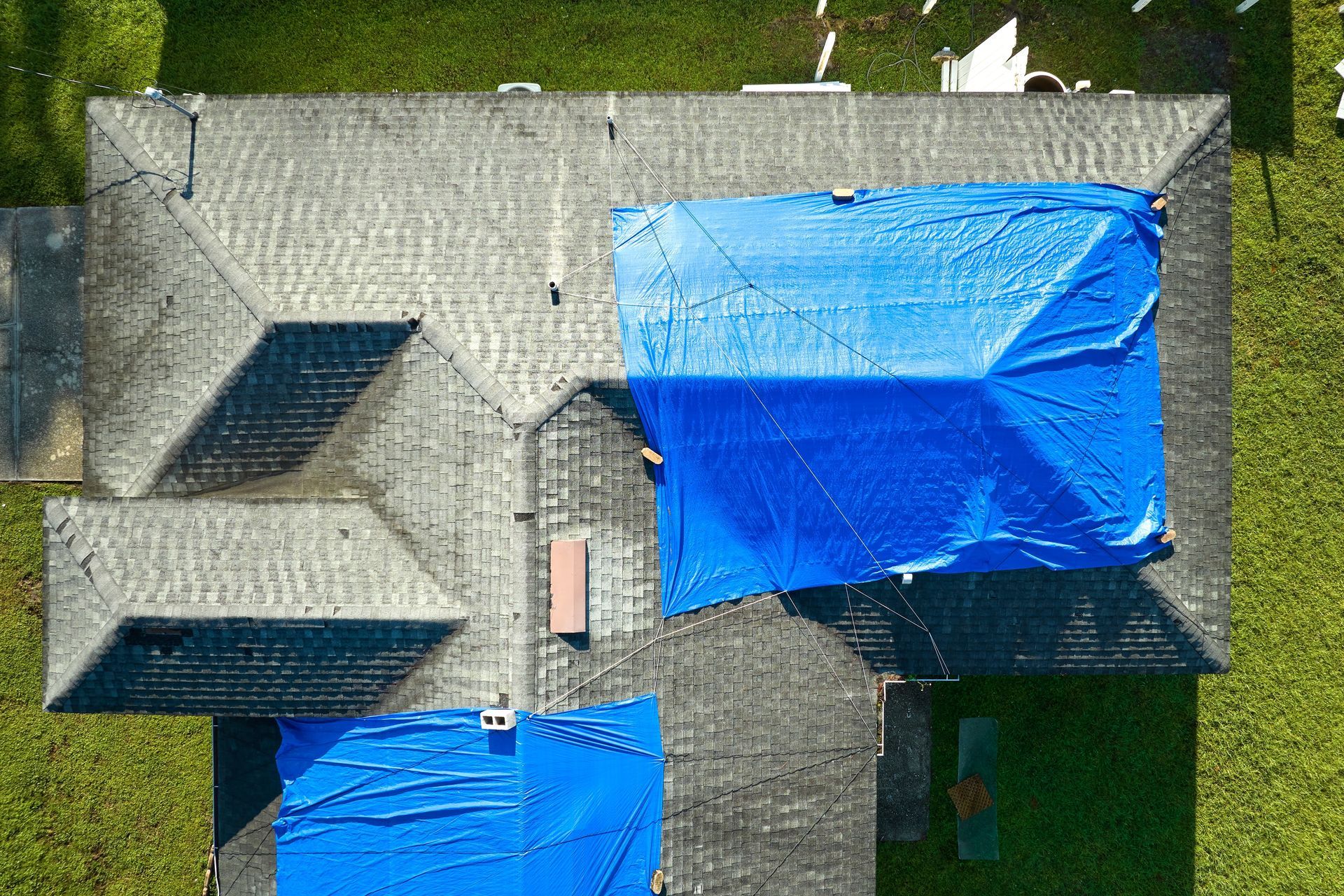
Once the interior entry point is located, the roof is checked directly above and around that area. Temporary protection goes over the damaged section to stop additional water entry while the full scope of the repair is assessed. Beachside condo buildings and low-slope commercial roofs in Daytona Beach are particularly vulnerable to wind-driven rain events because the membrane and flashing details on those roofs are under horizontal water pressure, not just vertical, and even a small opening can let in a significant volume of water before the storm passes.
Contact Wayne's Roofing and Sheet Metal directly to have a crew assess your roof and interior water damage after a storm event.
How Emergency Roof Repair Addresses Active Damage
The interior-first inspection method is not standard across all roofing crews, but it produces a more accurate result. Water that enters at a roof failure point rarely drops straight down—it follows decking, insulation, and framing until it finds a gap, which means the ceiling stain can be several feet from the actual entry. By confirming the interior path first, the roof inspection is targeted rather than a full-surface search, which matters when a crew is working in adverse conditions after a storm.
After temporary protection is in place, the interior water entry stops, the damaged section is stabilized, and the building owner has a clear picture of what the permanent repair will involve. You will see the difference immediately: active dripping stops, and the ceiling and wall areas that were being wetted during the storm dry out rather than continuing to absorb water. The temporary repair is documented so the permanent scope can be quoted and scheduled without requiring a second inspection to re-establish what was found.
Low-slope commercial roofs with rooftop equipment present an added complication during emergency calls because HVAC curbs, drains, and penetrations are common failure points after high-wind events, and those details require specific attention during both the temporary protection phase and the permanent repair. Buildings with multiple tenants or active businesses on site are coordinated with building management so the crew can access the roof and affected interior areas without disrupting operations more than necessary.
What Property Owners Ask About Emergency Repair
These questions focus on what happens during an emergency roof repair call and how the work is approached on different building types found in the Daytona Beach area.
Why does the inspection start inside the building rather than on the roof?
Water entering through a roof failure point travels laterally through insulation and framing before it shows up at a ceiling, so the interior entry location gives the crew a more precise target on the roof surface than a general visual scan from above would provide.
What does temporary protection involve during an emergency repair?
Temporary protection typically means covering the damaged roof area to stop water from continuing to enter while the full repair is scoped—this step stabilizes the situation so the permanent repair can be planned rather than rushed.
How do rooftop equipment penetrations factor into emergency roof damage on flat commercial buildings?
HVAC curbs and equipment penetrations are frequent failure points when wind-driven rain is involved, because the flashing at those details is under lateral water pressure—those areas get specific attention during both the emergency inspection and the repair scope.
When should a property owner go onto the roof themselves after storm damage?
Interior documentation of where water is entering is useful before a crew arrives, but going onto a damaged roof during or immediately after a storm creates additional risk—the safer step is to note where interior water entry is occurring and let the crew access the roof directly.
How does the construction type of beachside condo buildings in Daytona Beach affect how a leak develops and spreads?
Many beachside condo buildings use concrete or masonry construction with low-slope or flat roof systems, and water that enters through a membrane or flashing failure can travel significant distances through the slab or parapet before appearing inside a unit, which is why confirming the interior path is a necessary first step.
Wayne's Roofing and Sheet Metal also performs emergency roof repair in Ormond Beach, Holly Hill, Port Orange, DeLand, and Ponce Inlet. To have a crew assess your property after storm damage, call Wayne's Roofing and Sheet Metal at (386) 255-3633 and describe where interior water entry is occurring so the crew arrives prepared.